


AI-driven search capabilities shape how consumers view brands, and managing your online reputation is more important than ever. Google’s AI Overviews pull information from multiple sources, some of which are credible, and others that are not, causing damaging or misleading content to float to the top of search engine results, even if the information is old or false. As a business, you need to be proactive about getting false information removed or pushed down, and about reinforcing signals of trust all over the web.
This blog outlines how to remove or diminish negative information so that your digital footprint accurately reflects your brand. These strategies will also be beneficial to businesses that are improving SEO in the Round Rock, TX area.
Online Reputation Management (ORM)
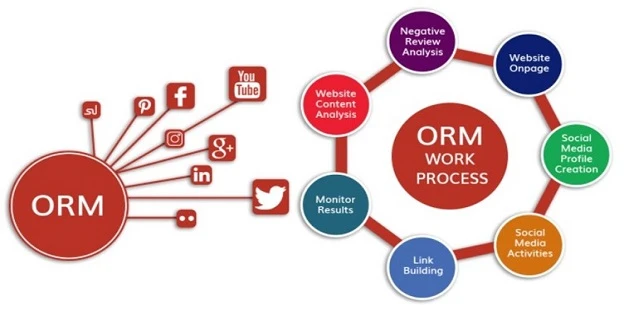
Bad information on the internet propagates quickly, and it may affect sales, credibility, and the relationship of customer relationships in the long run. Knowing the reasons and remedies will ensure the brands remain proactive in relation to reputation risks.
The emergence of Negative Content on the Internet
The information included in the AI overviews by Google covers a broad spectrum of sources:
- The Knowledge Graph gathers facts on persons, businesses, and locations.
- The systems of Google themselves, such as Business Profiles, Merchant Center data, and formatted datasets.
- Sites on the open internet, the official publishers, and dubious blogs.
- User-created content (UGC), including Reddit debates, community photos, reviews, and forums.
Despite the relevancy, authority, and freshness as the main priorities of these systems, errors occur. The AI models can misunderstand the situation, resort to misleading information, or incorrectly fill the information void. This may unwittingly enhance negative or fake information, sometimes even quicker than the traditional search results.
Due to this fact, brands need to be ready to act fast and to be strategic, even the ones that optimize their SEO in Round Rock, TX, where the local reputation is a significant factor that contributes to customer trust.
Legal and Platform-Based Removal Options
Certain material is removable automatically. The two major routes are:
DMCA Takedown Requests
You can claim DMCA in case an individual has published copyrighted materials without their consent; this may be pictures, blog entries, product photographs, and even videos.
That involves demonstration of ownership, but platforms tend to be quick to act after they are proven.
Censorship or Lawsuit

In case the information is misleading and harmful, it may be subject to a defamation claim. Cases that succeeded will generally demonstrate:
- The statement is false
- It was shared publicly
- The author was either negligent or malicious.
- Real damages occurred
Jurisdiction also differs in legal standards, and the standards of the public figures are higher. This route should be well documented and heavily advised with the assistance of legal counsel.
Reporting Violations of the Platform

Negative material may be deleted in case it breaks the rule of:
- Harassment or hate
- Impersonation
- Incompetent business reviews
- Leaked private information
- Spam or malicious intent
Reporting forms on policy violations are available on Google, Yelp, Facebook, Reddit, and other large publishers. Ideally, one should remove, but not always. That is where the suppression strategies are required.
Stifling Negative Content with Strategy Publishing

Suppression refers to the mechanism of ranking the harmful content and throwing it lower by means of publishing high-quality, correct and authoritative content.
High-Authority Publishing
ORM professionals also write on:
- Medium
- Niche industry blogs
- News publications
- Company websites
Such platforms provide very powerful messages to the search engine, which gives credible content an edge over the negative.
Branding Consistency and Accuracy
All the articles, profiles, and pages must have coherent business content and the maximum level of factual accuracy. This will simplify the AI systems to verify credibility.
Thought Leadership and Press Releases
Publicizing news, disseminating expert knowledge, and engaging in the discourse of the industry community are what develop a robust citation trail, something AI Overviews heavily depend on.
Narrative Building Page Supporting Pages
FAQs, services, case studies, testimonials and team bios are some pages that assist in making content clusters. This ecosystem enhances the ranking over time and removes the outdated or misleading pages.
These measures, in addition, boost your overall search engine optimization in Round Rock, TX, building more trust indicators across the search.
Enhancing E-E-A-T and Technical Signals
E-E-A-T is applied in Google to present an idea of the trustworthiness of content:
- Experience
- Expertise
- Authoritativeness
- Trustworthiness
To enhance these signals:
Apply Structured Data (Schema Markup)
This will assist Google in knowing:
- Author credentials
- Company details
- Customer reviews
- Product information
- Organization overview
Demonstrate Evidence of Trustworthiness
Enhance pages with:
- Media mentions
- Awards
- Verified reviews
- Real client examples
Open business information
Have a Good Presence on Reliable Platforms
The presence of profiles on established networks proves your validity, and thus, malicious information would not be nearly as active in the summaries produced by AI.
Supervise AI Attainments and Prevent Problems
Management of reputation needs to be monitored all the time. ORM tools can track:
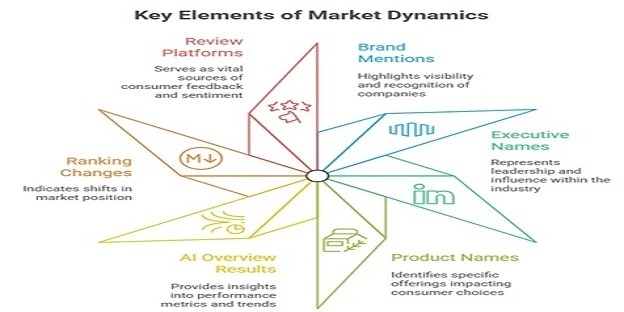
Timely intervention can enable you to react before it propagates to the detriment of society. Developing a crisis plan, including press contacts, legal counsel, and suppression processes, ensures you are prepared in case problems arise.
Conclusion
Bad or false information may go viral on the internet, particularly in cases where AI systems gather data on a wide range of information. To remain ahead, it is necessary to combine elimination tactics, repression, authority-building publication, and reinforcement of E-E-A-T signals on the Internet. Companies such as ROILift are engaged in the development of long-term solutions in order to preserve trust, visibility, and accuracy of search results.
Investing in the continual development of content, monitoring tools, and powerful technical optimization helps you to protect your brand and ensure that your business is presented in a truthful way. To have professional assistance in dealing with the reputation and the visibility, it is possible to collaborate with a reputable Digital Marketing Agency in USA.
FAQs
What is a DMCA takedown request, and when should it be used?
A DMCA takedown request is a legal notice used to remove copyrighted content that has been posted without permission. It should be used when someone publishes your original content, such as images, text, or videos, without authorization.
What is E-E-A-T and why does it matter?
E-E-A-T stands for Experience, Expertise, Authoritativeness, and Trustworthiness. It matters because search engines use these signals to evaluate content quality. Strong E-E-A-T helps positive content rank higher and supports online reputation management.
How do I suppress bad links on Google?
You can suppress bad links by publishing high-quality, optimized content on authoritative platforms. Creating strong website pages, social profiles, press releases, and articles can push negative results lower in search rankings over time.
How do I file a DMCA takedown request?
To file a DMCA request, submit a notice to the website owner or hosting provider that includes proof of ownership, the URL of the infringing content, and your contact information. Google also provides an online DMCA submission form.
How do I protect my brand reputation online?
Protect your brand by monitoring mentions, responding professionally to reviews, publishing valuable content, and maintaining accurate business profiles. Proactive reputation management helps prevent negative content from gaining visibility.
How can I push down negative reviews?
Encourage satisfied customers to leave honest reviews and consistently generate positive content. A steady flow of authentic feedback and strong online engagement can help outweigh and push down negative reviews in search results.