

Most businesses don’t struggle with SEO because they’re lazy. That’s rarely the issue. The real problem is quieter. There’s effort, yes, but it’s scattered. A blog here, a keyword there, maybe a few backlinks thrown in. Then weeks pass. Sometimes months. And nothing really changes.
Traffic doesn’t drop, but it doesn’t grow either. Rankings hover. Leads? Inconsistent at best. Somewhere along the way, a thought pops up mid-analysis: should we just hire an seo agency USA, or are we missing something more basic here?
That question matters more than it seems. Because in many cases, it’s not about doing more. It’s about finally doing things in the right order.
Table Of Content:
● Start With What Growth Actually Means
● Search Intent Is Where Most Strategies Quietly Break
● Content Doesn’t Work Alone (It Builds on Itself)
● Technical SEO Not Exciting, But Hard to Ignore
● Search Is Changing (And It’s Not Slowing Down)
● Not All Metrics Deserve Equal Attention
● Strategy Should Bend, Not Break
● FAQs
Start With What Growth Actually Means
“Growth” sounds clear until you try to define it. Is it traffic? Revenue? Better leads? Faster conversions?
Here’s where things get slightly uncomfortable. A lot of businesses jump into SEO without answering that. They assume more visibility automatically means better outcomes. It doesn’t always work that way.
Sometimes growth looks like:
- Fewer visitors, but stronger intent
- More conversions from the same pages
- Better reach in a niche that actually pays
A good seo agency in the USA won’t rush into audits or tools. They’ll slow things down first. Not to delay progress, but to avoid wasted effort. Once this part clicks, everything else becomes easier to align.
Search Intent Is Where Most Strategies Quietly Break
There’s a pattern you’ll notice if you look closely. Pages rank, but don’t convert. Content gets traffic but doesn’t move people forward. Why? Because intent was ignored. Not misunderstood. Ignored.
Someone searching for “top email tools” isn’t ready to buy. They’re browsing, comparing, thinking. But someone typing “email tool pricing plans” is much closer to a decision.
Same topic, completely different mindset. If your content doesn’t reflect that shift, it creates friction. A sharp seo agency in the USA doesn’t just build keyword lists. They map intent across stages. That’s the difference between visibility and actual business movement.
Your Website Should Feel Like It Knows Where It’s Going
Ever landed on a website and felt lost? Not confused exactly. Just unsure where to click next. That’s a structural problem. SEO isn’t only about what you publish. It’s about how everything connects underneath.
A few quiet fixes can change everything:
- Group related pages instead of scattering them
- Link content in a way that feels natural, not forced
- Keep navigation simple enough that users don’t think twice
Even something as small as Breadcrumbs in SEO plays a role here. It gives both users and search engines a sense of direction. Subtle, but powerful. When structure improves, engagement often follows. Not instantly. But steadily.
Content Doesn’t Work Alone (It Builds on Itself)
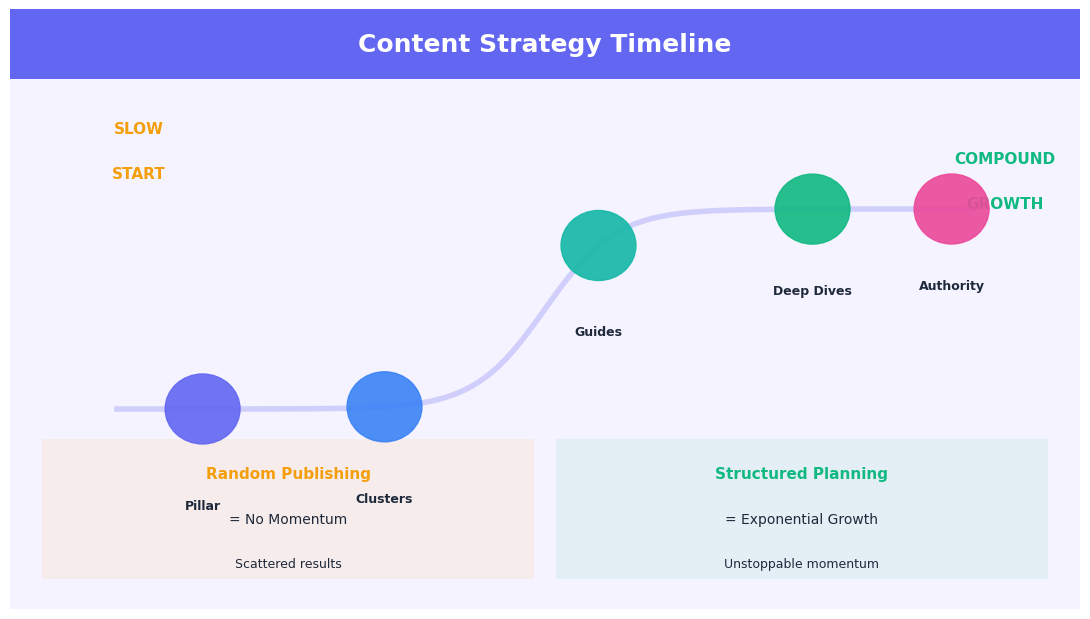
Publishing content randomly feels productive. It isn’t. One article might perform. Another might disappear completely. There’s no real connection between them. That’s where most strategies lose momentum. Instead, think in layers.
Start with a core topic. Then expand around it. Add supporting pieces. Link them thoughtfully. Let them reinforce each other. It takes more patience, but the effect compounds.
This is why many teams working with an seo agency in the USA shift toward topic clusters over time. It’s slower at the start, then suddenly much faster later.
Technical SEO Not Exciting, But Hard to Ignore
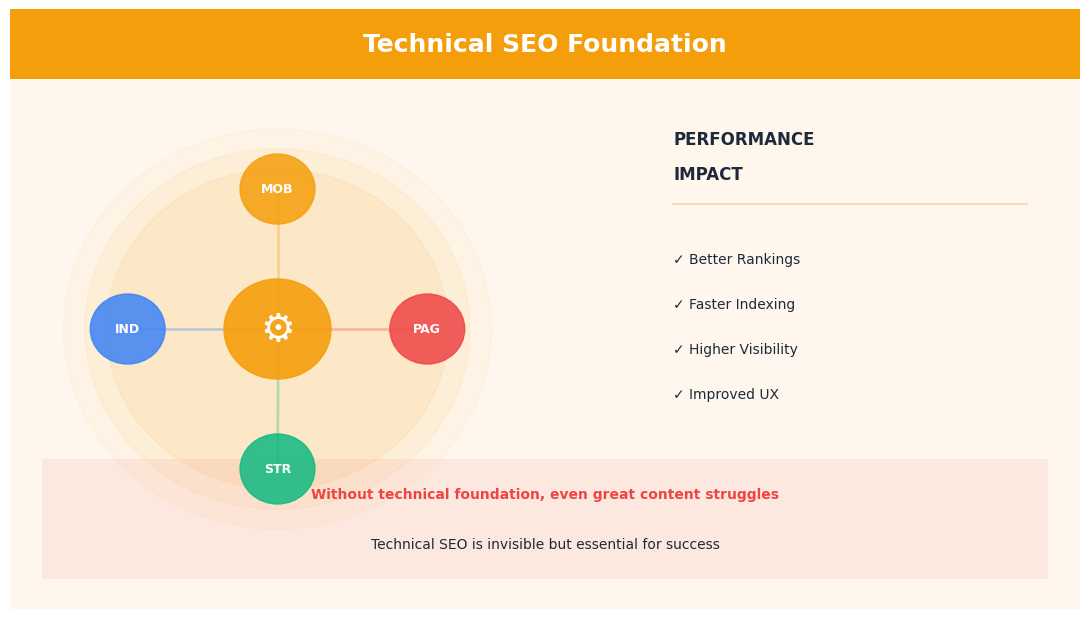
Here’s the part people delay. Not because it’s unimportant, but because it’s not visible.
- Page speed.
- Mobile responsiveness.
- Clean indexing.
- URL structure.
None of these feels urgent until something breaks. Or rankings stall for no clear reason. Then they matter. You don’t need perfection here. But you do need a solid baseline. Otherwise, even strong content struggles to perform.
This is often where digital marketing consulting services step in quietly. Not to rebuild everything, just to fix what’s holding things back behind the scenes.
Search Is Changing (And It’s Not Slowing Down)
SEO used to feel more predictable: rank a page, get clicks, improve position, and repeat everything. Now it’s different, search engines summarize answers. AI pulls snippets. Users don’t always visit websites the way they used to.
So content needs to adjust. To Optimize Content for AI, you don’t need to overcomplicate things. Just make your content:
- Direct
- Easy to scan
- Structured around real questions
Clarity wins here, not clever writing. Businesses working with an seo agency USA are already leaning into this shift. Not because it’s trendy, but because it’s necessary.
Not All Metrics Deserve Equal Attention
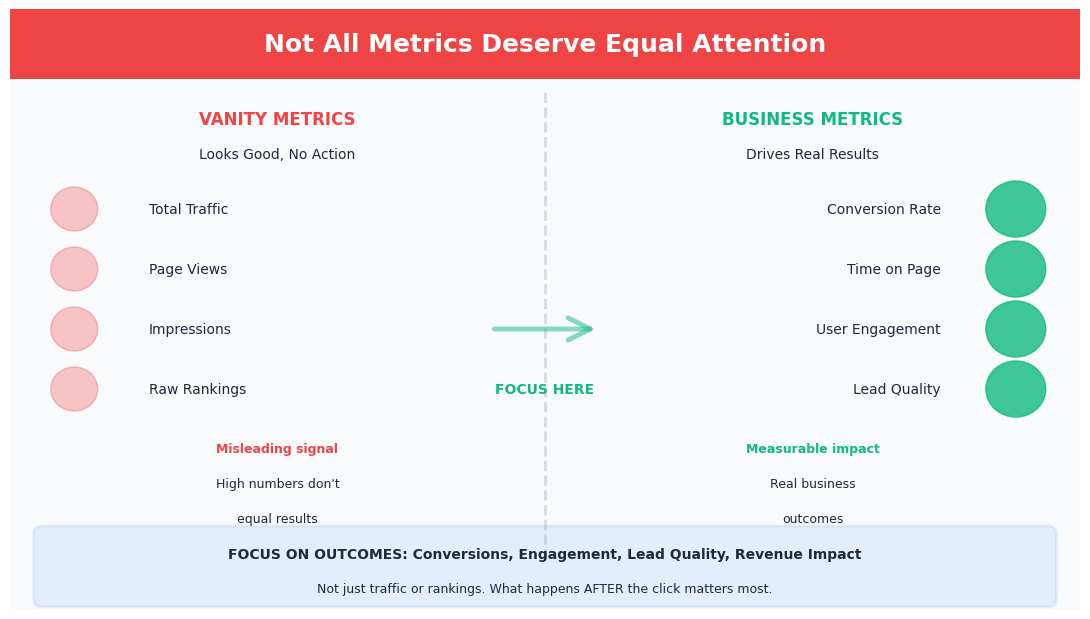
Traffic looks impressive in reports; it feels like progress. But it can be misleading. What matters more is what happens after the click: are people staying? Clicking further? Converting?
A few signals worth paying closer attention to:
- Conversion rate from organic visits
- Time spent on key pages
- Drop-offs between steps
A grounded seo agency in the USA will focus here. Not just on rankings, but on outcomes tied to real business impact. Because growth without direction isn’t growth. It’s noise.
Strategy Should Bend, Not Break
If there’s one thing consistent about SEO, it’s change. Algorithms shift. Competitors adapt. User behavior evolves in ways you don’t always see coming.
So, locking your strategy too tightly? That’s risky. Instead, keep it flexible. Review what’s working. Adjust what isn’t. Update content that starts slipping.
Sometimes businesses revisit digital marketing consulting services at this stage. Not because things failed, but because refinement is part of the process.
Bottom Line:
An effective SEO strategy is not just about doing more; it’s also about doing things correctly and sequentially, with patience while waiting for the results to accumulate. As long as the structure, intent, and execution of SEO work together, the eventual growth will no longer seem random, but rather logical.
The primary goal of ROILift as a seo agency in the USA is to develop a long-term, sustainable system for creating success via organic search. ROILift does not focus on achieving fast results or shortcuts, only developing consistent progress so that searches become something that businesses can depend on for long-term success.
FAQs
What does an SEO agency in the USA do?
An SEO agency helps improve your website’s visibility, rankings, and organic traffic through structured strategies and optimization.
How do I know if my SEO strategy is working?
Look at conversions, engagement, and lead quality—not just traffic or rankings.
Why is search intent important in SEO?
Search intent ensures your content matches what users are actually looking for, improving both rankings and conversions.
What are Breadcrumbs in SEO?
Breadcrumbs are navigation elements that show users their location on a website, improving user experience and site structure.
How can I Optimize Content for AI?
Use clear structure, direct answers, and question-based content that is easy for AI systems to extract and summarize.
Why is technical SEO important?
Technical SEO ensures your site is fast, accessible, and easy for search engines to crawl and index.
What are digital marketing consulting services in SEO?
They provide expert guidance to improve strategy, fix issues, and align SEO efforts with business goals.
How long does SEO take to show results?
SEO usually takes a few months to show noticeable results, depending on competition and strategy.